Tracing Reward Timing Patterns Across Funding Channels in App-Based Live Table Environments
Morgan Simmons · Jul 18, 2026
Tracing Reward Timing Patterns Across Funding Channels in App-Based Live Table Environments
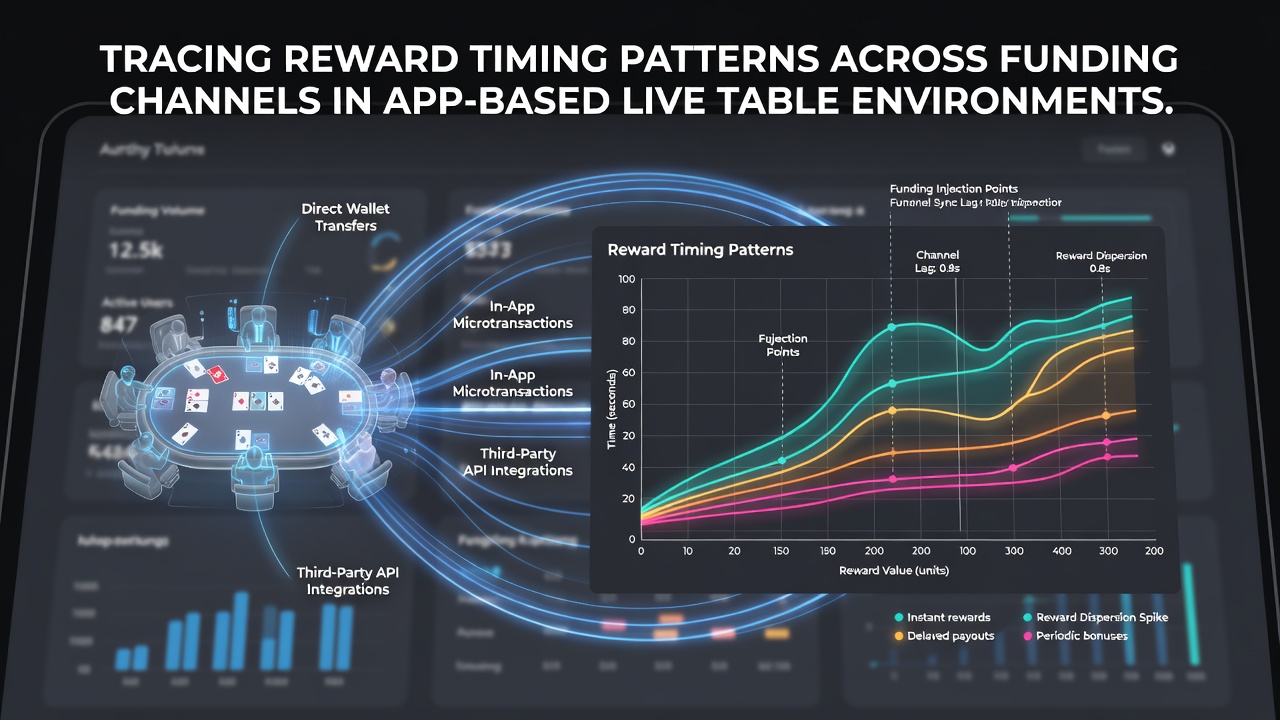
App-based live table environments continue to expand their reach, with players accessing real-time dealer interactions through mobile devices across multiple regions. Funding channels play a central role in how rewards activate within these platforms, and patterns emerge when observers track the intervals between deposit confirmations and bonus releases. Data from industry monitoring services shows that timing varies significantly depending on whether users select credit cards, digital wallets, bank transfers, or cryptocurrency options.
Understanding Funding Channels in Mobile Live Table Settings
Live table games on apps include blackjack, roulette, and baccarat sessions hosted by dealers, streamed directly to handheld devices. Each funding method processes at different speeds, which directly influences when promotional credits or loyalty rewards become available. Credit card transactions often require authorization holds that extend the window before rewards trigger, whereas instant wallet services complete verifications within seconds and allow bonuses to activate almost immediately after funds clear.
Researchers tracking these systems note that bank wire transfers introduce longer delays because settlement occurs through intermediary networks, sometimes spanning several hours before the platform registers the deposit. Cryptocurrency channels, by contrast, record confirmations on public ledgers that platforms can verify in minutes, creating shorter reward timing cycles in many cases. These differences appear consistently across multiple operators during the first half of 2026.
Observed Timing Patterns and Channel Variations
Studies conducted on user transaction logs reveal distinct clusters of reward activation. Credit and debit card deposits frequently align with reward releases between 15 and 45 minutes after confirmation, while e-wallet options show peaks within the first 5 to 10 minutes. Bank transfers exhibit wider distributions, with some rewards unlocking only after 2 to 4 hours when compliance checks complete. Cryptocurrency deposits produce the tightest windows in several datasets, often under 8 minutes when network congestion remains low.
One analysis of July 2026 activity across North American and European operators found that live table players using digital wallets received layered incentives faster than those relying on traditional cards, partly because automated verification systems prioritize wallet APIs. This pattern holds even when identical bonus structures apply across channels, suggesting that backend processing speed dictates the outcome more than promotional rules themselves.
Factors Influencing Reward Synchronization
Platform architecture determines how quickly each channel feeds into reward engines. Automated reconciliation tools scan incoming transactions and apply bonus rules once funds settle, yet manual review queues still affect slower methods during peak hours. Regulatory requirements in certain jurisdictions add extra verification layers for larger deposits, which extends timing regardless of the chosen channel.
Geographic differences also surface in the data. Operators licensed under frameworks from the Nevada Gaming Control Board integrate real-time reporting that accelerates credit card reward triggers compared with systems operating under other regional standards. Meanwhile, platforms serving Australian markets show tighter synchronization for cryptocurrency channels because local guidelines encourage rapid ledger verification.
Comparative Data Across Regions and Platforms
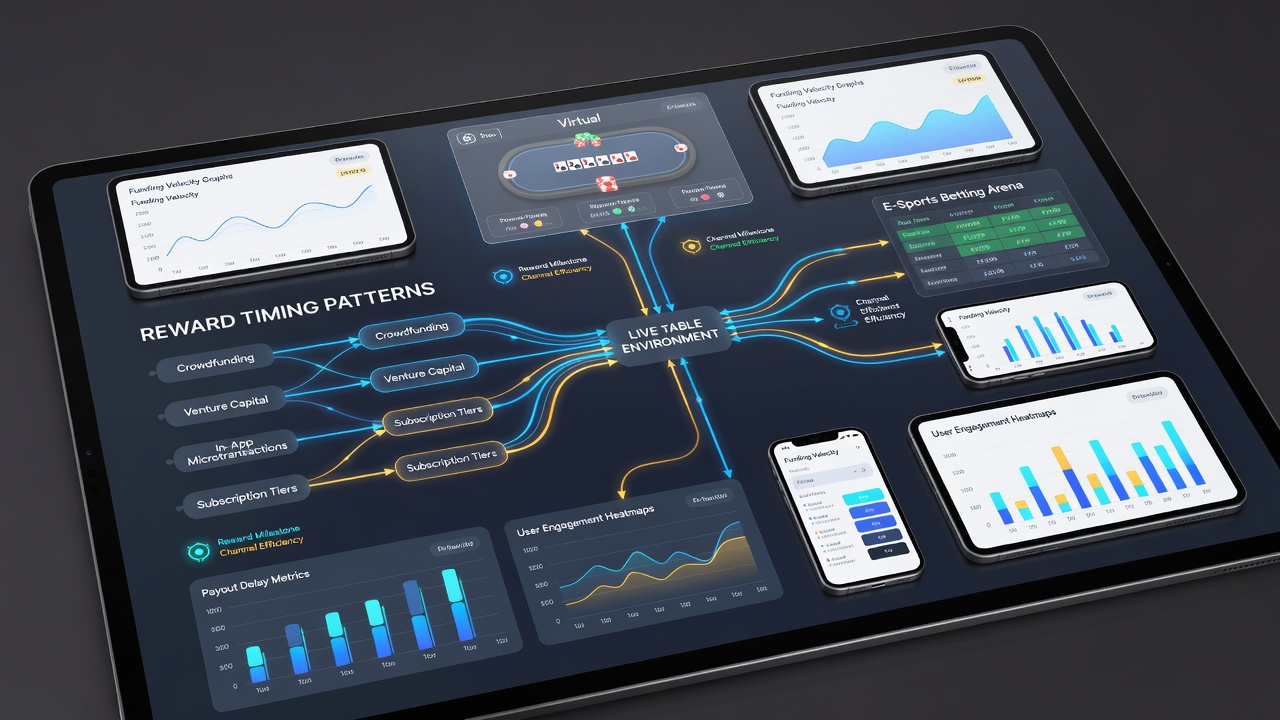
Industry reports compiled by the American Gaming Association indicate that reward timing gaps narrowed overall between 2025 and mid-2026 as more operators adopted unified payment gateways. Nevertheless, channel-specific variances persist. Players in Canadian provinces using Interac e-transfers experience reward releases comparable to wallet users in the United States, while those employing direct bank links encounter longer waits similar to patterns observed in parts of Asia.
University-led examinations of transaction metadata confirm that peak usage periods, particularly evenings and weekends, stretch reward windows across every channel because system load increases verification queues. Live table environments, which often run continuous promotions tied to table minimums, display these effects more prominently than automated slot sections because dealer session bonuses require real-time eligibility checks.
Implications for Platform Design and Player Behavior
Operators continue refining integration points between payment processors and reward management systems to reduce channel disparities. API improvements introduced in early 2026 have shortened average activation times for bank transfers on several major apps, although they still lag behind wallet and crypto options. These adjustments appear in usage statistics where players shift toward faster channels when frequent live table participation is involved.
Trade associations such as the European Gaming and Betting Association have published aggregated findings showing that consistent reward timing correlates with higher session continuity in live dealer environments. The data does not prescribe specific design choices, yet it documents measurable differences that developers reference when updating mobile interfaces.
Conclusion
Tracing reward timing across funding channels in app-based live table environments produces clear, repeatable patterns driven by processing mechanics, regulatory overlays, and system architecture. Credit cards, wallets, bank transfers, and cryptocurrency each follow distinct activation timelines that operators and analysts continue to measure through transaction datasets. As platforms evolve their payment infrastructure, these patterns shift, yet the underlying relationships between channel type and reward synchronization remain observable through ongoing monitoring.