Shifts in Preferred Games Following Updates to Available Transaction Options for On-the-Go Users
Elena Long · Jul 6, 2026
Shifts in Preferred Games Following Updates to Available Transaction Options for On-the-Go Users
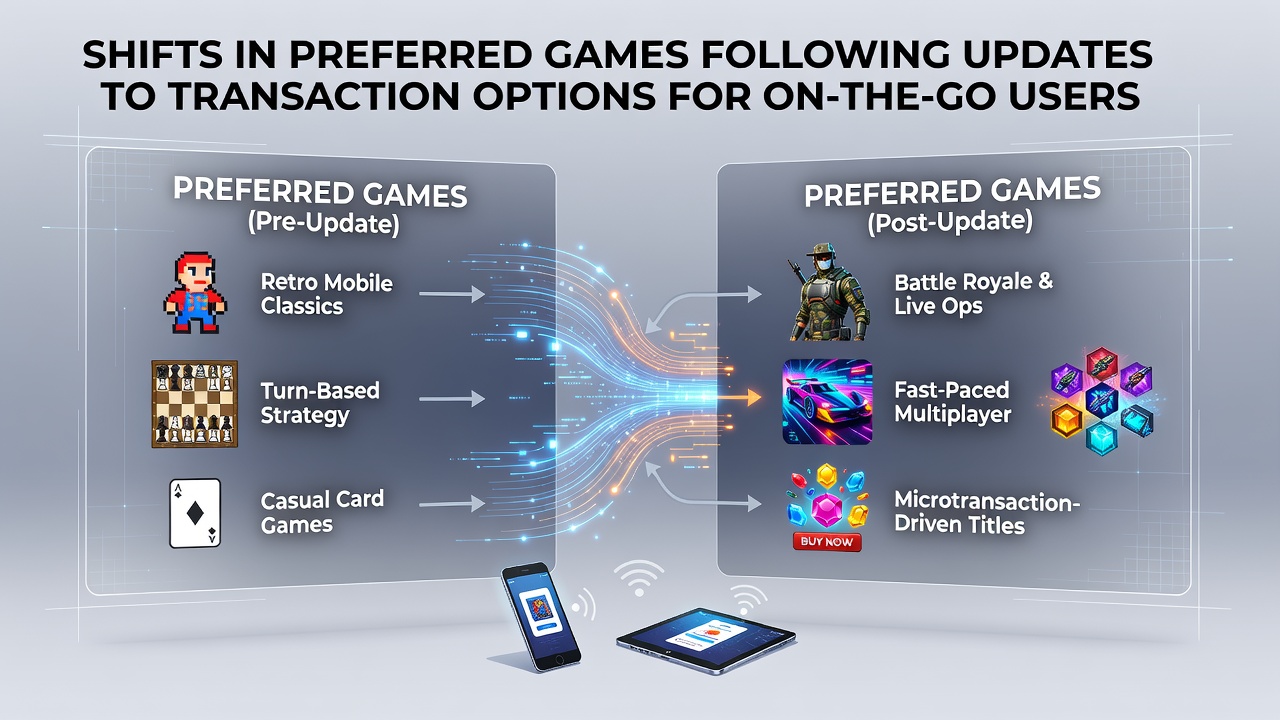
Updates to transaction options in mobile gaming platforms have coincided with measurable changes in game selection patterns among users who play while traveling or during short breaks, and data from multiple regions document these movements without implying causation. Operators introduced features such as instant bank transfers, expanded digital wallet support, and faster confirmation times during the first half of 2026, after which several platforms recorded shifts away from certain reel-based titles toward live dealer formats and hybrid table experiences.
Transaction Feature Rollouts and Initial Data Patterns
Platforms serving portable users began rolling out quicker deposit confirmations and withdrawal processing in late 2025, with several completing broader implementations by April 2026. Research from industry monitoring groups shows that average session lengths for live dealer blackjack and roulette increased by noticeable margins on devices using the new payment rails, while certain automated slot categories experienced relative declines in daily active selections. Observers tracking these movements note that the timing aligns closely with the availability of near-instant funding methods rather than with marketing campaigns or new game releases alone.
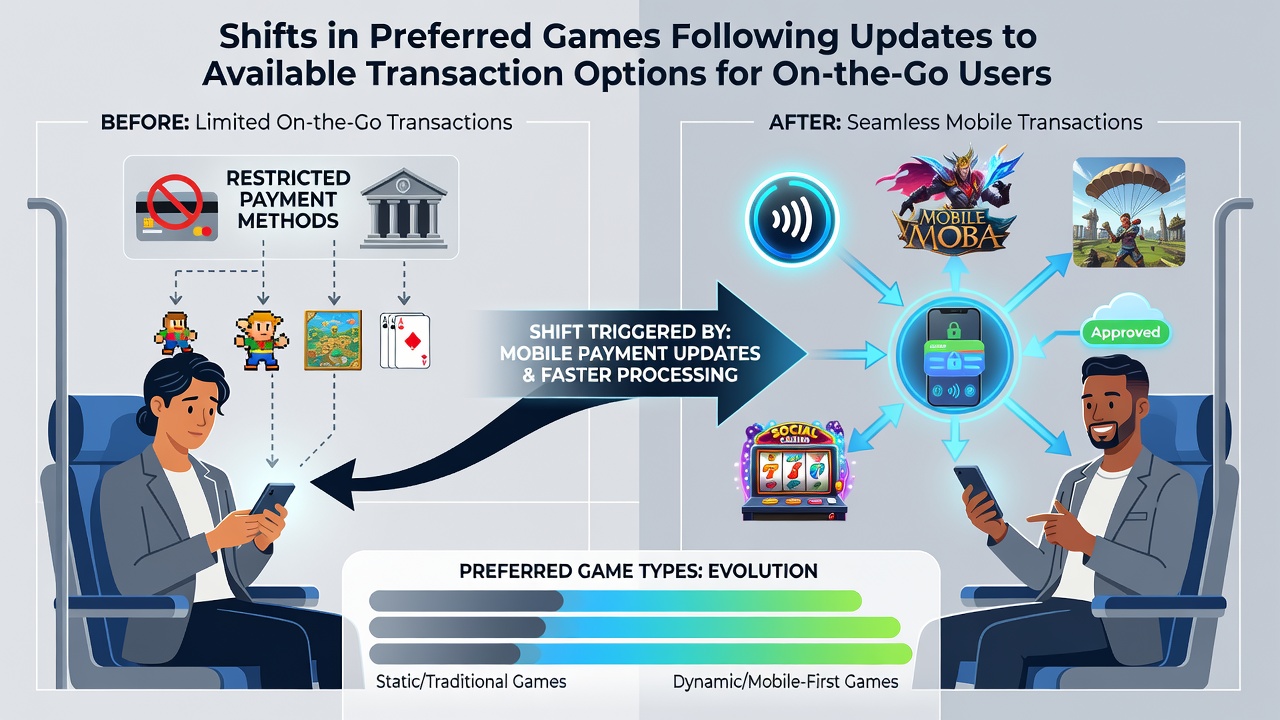
Figures released in July 2026 by regional analytics providers indicate that users accessing games through updated mobile wallets spent proportionally more time in environments requiring real-time dealer interaction. This pattern appeared across markets where operators enabled seamless connections between banking apps and gaming accounts, allowing funds to appear within seconds instead of minutes. Those monitoring user logs report that the change reduced friction points that previously interrupted transitions between different game types during brief play windows.
Regional Examples and Platform Comparisons
In North American jurisdictions with regulated mobile offerings, platforms that integrated additional wallet providers saw users migrate toward multi-player table options at higher rates than peers relying on older processing methods. A report compiled by the American Gaming Association tracked activity across participating operators and found that game category rankings adjusted within weeks of each payment update cycle. Similar movements surfaced in parts of Asia where operators introduced localized instant transfer solutions, prompting increased engagement with live baccarat variants over standalone reel games.
European operators documented parallel trends after expanding support for region-specific instant payment schemes, with data indicating that users favored formats allowing continuous play without repeated funding interruptions. These shifts occurred alongside stable overall participation numbers, suggesting redistribution among existing user bases rather than broad expansion. Platform operators who maintained legacy transaction flows did not record equivalent adjustments in game preference distributions during the same period.
Behavioral Tracking and Retention Metrics
Analytics firms examining session data have identified correlations between payment confirmation speed and the types of games users initiate after funding. Faster transaction pathways appear to support extended sequences of play in dealer-hosted environments, where timing and continuity matter more than in automated formats. Researchers examining retention curves across funding channels note that users who completed deposits through newer digital methods showed higher return rates to live table sections within the same day compared with those using slower legacy options.
One analysis covering activity through July 2026 highlighted that portable users increasingly selected games with social or interactive components once transaction delays dropped below a certain threshold. This movement did not eliminate interest in reel-based titles but redistributed time allocation within individual accounts. Data sets compiled by academic groups studying digital entertainment ecosystems reveal that payment infrastructure updates precede these redistributions by consistent intervals across different operator networks.
Broader Industry Context
Regulatory bodies in multiple jurisdictions have required operators to maintain detailed records of transaction processing times alongside game activity logs, creating datasets that allow pattern identification. These requirements have enabled clearer visibility into how changes in available funding methods intersect with user navigation through game libraries on handheld devices. Industry associations have begun publishing aggregated summaries that separate transaction-related movements from other variables such as seasonal events or promotional calendars.
Platforms that introduced tiered wallet options allowing both traditional banking links and cryptocurrency channels recorded the most pronounced category adjustments among frequent mobile users. The coexistence of multiple transaction speeds within single accounts appears to give users flexibility that influences immediate game choices following each deposit event. Observers continue to monitor whether these patterns stabilize or evolve further as additional payment innovations reach portable gaming environments.
Conclusion
Available records show that updates to transaction options for on-the-go users have aligned with redistributions in game category engagement across several markets. Faster confirmation pathways correspond with increased selection of live dealer and interactive table formats, while automated reel options maintain steady but proportionally adjusted usage. Data gathered through July 2026 and earlier periods provide the foundation for ongoing examination of these relationships without establishing direct causation. Continued tracking by regulatory and research entities will clarify whether the observed movements represent temporary adjustments or longer-term structural changes in mobile gaming behavior.