Shifting Deposit Preferences and Their Ripple Effects on Live Table Selection in Regional Digital Platforms
Morgan Simmons · Aug 31, 2026
Shifting Deposit Preferences and Their Ripple Effects on Live Table Selection in Regional Digital Platforms
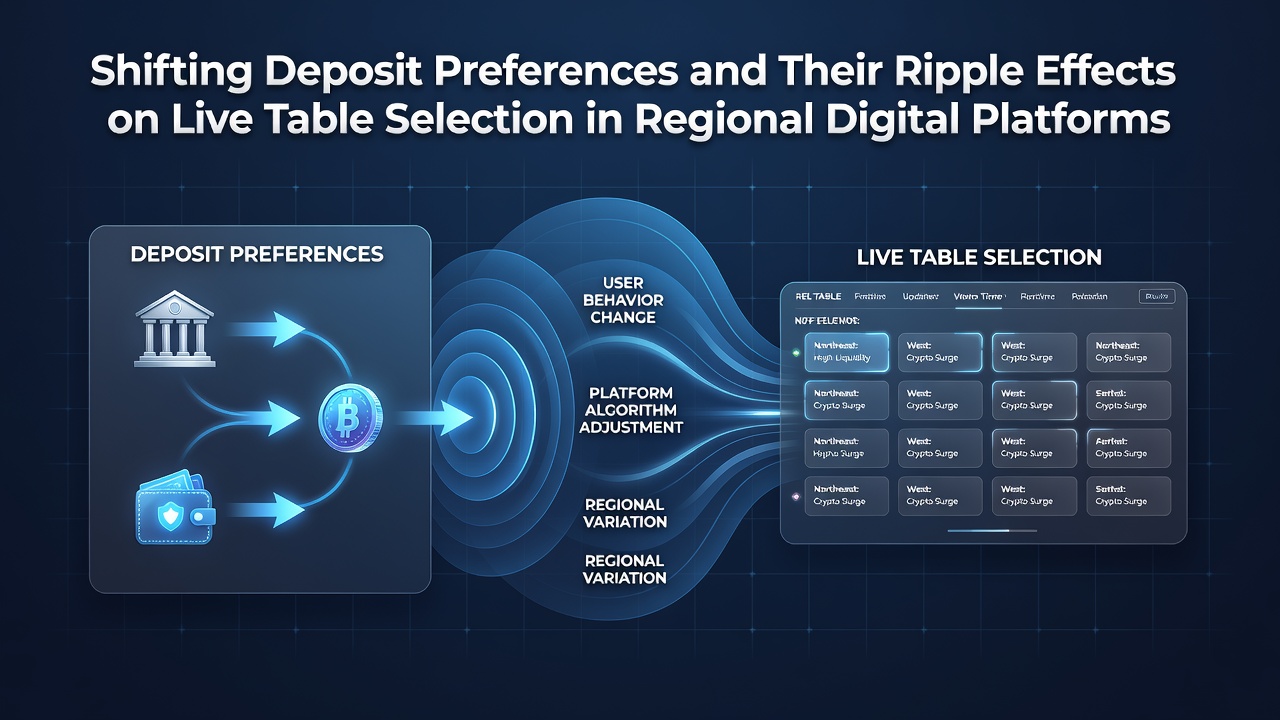
Regional digital platforms have witnessed notable changes in how users fund their accounts, with preferences moving toward instant digital wallets and blockchain-based transfers in many markets. These adjustments carry direct consequences for live table game selections, since payment timing influences availability of real-time dealer sessions and minimum stake requirements across different jurisdictions.
Payment Method Trends Across Regional Markets
Data collected from various state and provincial gaming authorities indicate that digital wallet adoption has risen steadily through 2026, particularly in areas where traditional bank transfers face longer processing windows. In August 2026, several platforms operating under Massachusetts and Michigan licenses reported higher volumes of instant funding methods compared to the previous year, according to aggregated transaction logs shared with regulatory bodies. Users increasingly select options that clear within seconds rather than hours, which aligns with the pace demanded by live dealer environments.
Those who monitor platform analytics note that regions with stricter banking rules, such as certain Canadian provinces, show parallel shifts toward cryptocurrency options where permitted. This pattern emerges because slower deposit confirmations limit access to tables that require verified balances before seating. Live blackjack and roulette sessions, for instance, often fill quickly during peak hours, and delayed funding can push participants toward automated alternatives instead.
How Deposit Speed Influences Table Choices
Live table environments operate on continuous cycles where seat availability depends on confirmed balances. Faster deposit methods allow players to enter high-limit baccarat or poker rooms without interruption, while slower options restrict them to lower-stakes tables or scheduled sessions. Platform operators have adjusted interface designs in response, prioritizing instant-payment users for premium live dealer queues in markets like New Jersey and Pennsylvania.
Research from industry groups tracking player behavior shows that participants using e-wallets complete live table sessions at higher rates than those relying on card or bank methods. The difference stems from reduced friction during the transition from deposit to gameplay, especially when tables reset every few minutes. In contrast, users facing confirmation delays frequently migrate to video-based tables that do not require real-time balance checks.
Regional Regulatory Context and Platform Adaptations
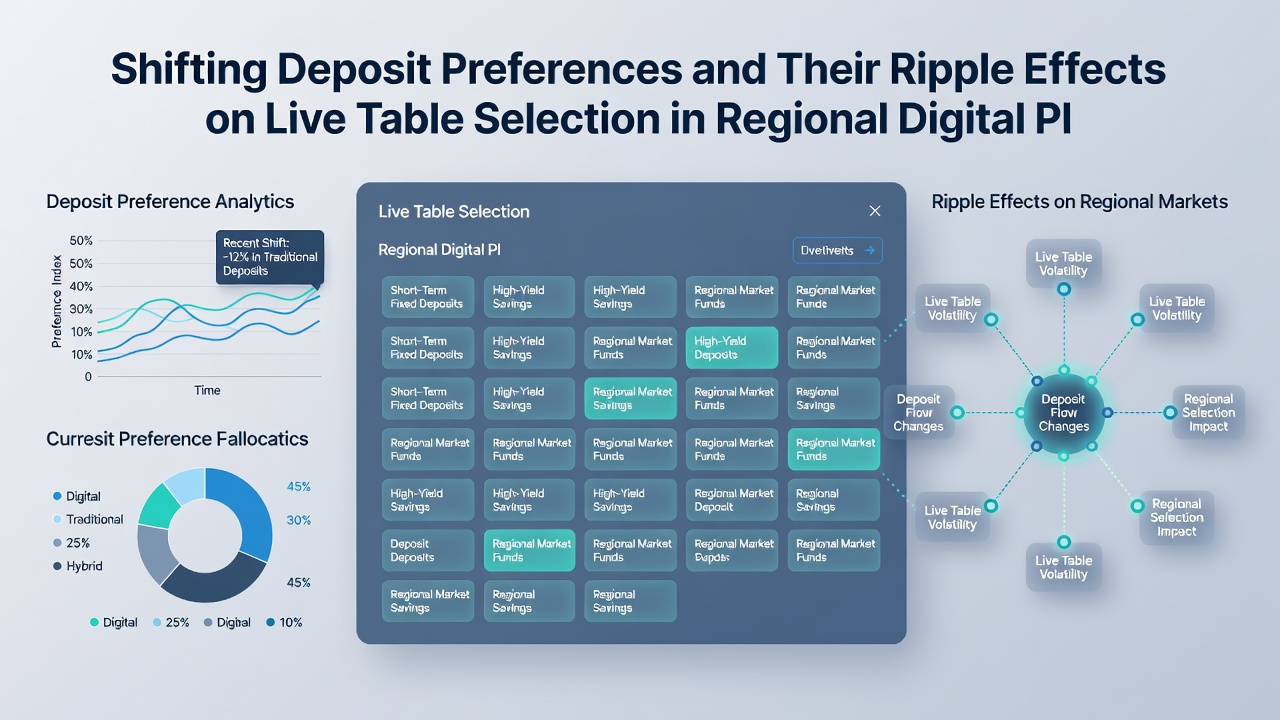
Regulatory frameworks in different areas shape these dynamics. The Massachusetts Gaming Commission has documented how payment processing times affect game participation metrics in its quarterly reviews. Similar observations appear in reports from Australian state regulators, where digital payment mandates have accelerated wallet integration for live dealer offerings. Platforms respond by offering tiered table access based on funding speed, creating distinct pathways for different user segments.
Observers tracking these systems point out that live table selection now correlates with deposit confirmation windows in multiple jurisdictions. A user who completes a transfer in under thirty seconds gains entry to featured tables during promotional periods, whereas extended processing routes them to standby lists. This structure emerged more clearly after several operators updated their backend systems in mid-2026 to accommodate rising wallet volumes.
Effects on Specific Game Categories
Blackjack and roulette tables show the strongest sensitivity to these shifts because they attract high player turnover. Data indicates that instant-funding participants occupy seats at these games more consistently during evening hours across regional platforms. Poker rooms, which often use different entry protocols, experience less pronounced changes, though sit-and-go formats still favor quick-balance verification.
Operators have introduced features that highlight payment status within the lobby interface, allowing users to see which tables accept their chosen method without delay. Such adjustments appear most frequently in markets where competition among platforms remains high, including parts of the northeastern United States and certain European licensing zones outside the United Kingdom.
Conclusion
Deposit preference changes continue to reshape how regional platforms manage live table inventory and user access. Faster funding methods expand options for real-time participation, while slower alternatives steer users toward different game formats. Regulatory data from multiple jurisdictions, combined with platform transaction records, confirm these connections without indicating future outcomes. The relationship between payment timing and table selection remains measurable through ongoing analytics across affected markets.