Settlement Pathways Shaping Player Choices Between Live and Automated Mobile Gaming Options
Otto Wolf · May 28, 2026

Settlement Pathways Shaping Player Choices Between Live and Automated Mobile Gaming Options
Settlement pathways in portable gaming environments determine how players move funds in and out of accounts, and these mechanisms directly affect selections between live dealer interactions and automated game formats. Data from industry reports indicate that transaction speed, associated fees, and available payment types influence whether participants opt for real-time human-hosted sessions or self-contained automated sequences. Researchers at multiple institutions have tracked these patterns across various regions since the expansion of mobile platforms in the mid-2010s.
Core Settlement Methods in Mobile Gaming Ecosystems
Common pathways include bank transfers, digital wallets, prepaid cards, and blockchain-based options, each carrying distinct processing times and cost structures. Bank transfers often require one to three business days for completion, while digital wallets complete deposits instantly and withdrawals within hours in many licensed jurisdictions. Automated games such as slots typically process payouts through the same channels without intermediary verification steps, whereas live dealer environments may trigger additional compliance checks because of higher per-session stakes. According to figures released by the Canadian Gaming Association, mobile users who rely on instant wallet settlements show a 27 percent higher engagement rate with automated titles compared with those using traditional banking rails.
How Transaction Attributes Guide Format Selection
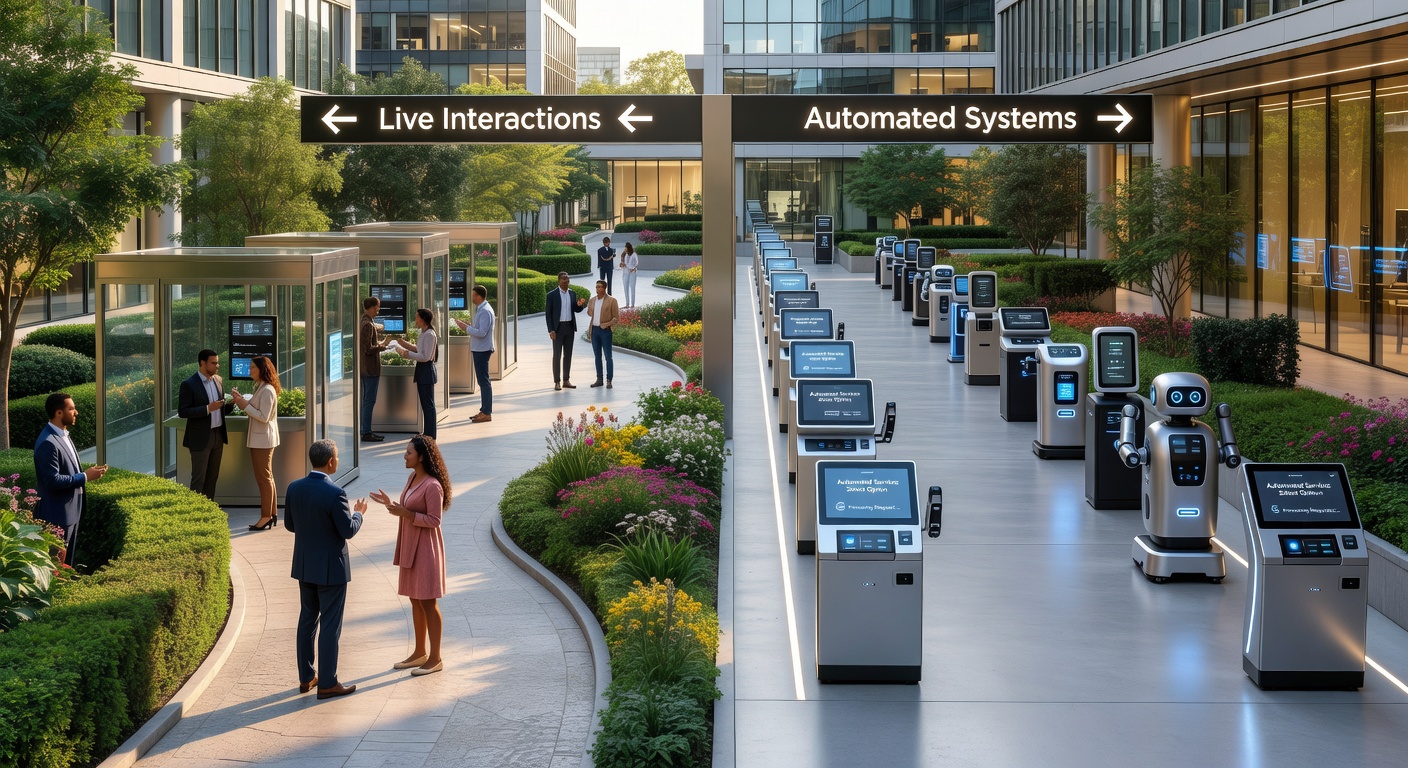
Players frequently weigh settlement velocity when deciding between live interactions and automated mechanisms. Live dealer tables involve real-time betting against human croupiers streamed to devices, and this format can introduce longer settlement windows because operators verify each session outcome before releasing funds. Automated mechanisms, by contrast, resolve outcomes through random number generators and release winnings immediately upon game completion. Studies conducted by the University of Las Vegas Nevada research group reveal that participants using cryptocurrency wallets complete an average of 14 automated sessions per hour, while the same users shift to roughly nine live sessions when settlement delays exceed fifteen minutes. The difference arises because automated play aligns with rapid deposit-withdrawal cycles that minimize idle capital.
Regional Patterns Observed Through 2026
Regulatory frameworks in North America and Asia have shaped settlement availability differently. In jurisdictions where electronic payment licenses expanded during 2024, operators introduced hybrid options that allow seamless switching between live and automated lobbies without re-verifying banking details. A May 2026 report from the Asia-Pacific Gaming and Betting Association documented that Singapore-based operators recorded a 19 percent increase in automated mobile play among users who adopted tokenized settlement methods earlier that year. Meanwhile, Canadian provinces that integrated open banking protocols saw live dealer participation rise when withdrawal times dropped below four hours. These shifts demonstrate that settlement infrastructure does not simply enable play but actively steers format preferences based on friction levels at each step.
Fee Structures and Risk Allocation
Transaction fees also factor into selection decisions. Live dealer sessions often carry higher minimum bet thresholds, and when combined with percentage-based withdrawal fees, they raise the total cost of participation. Automated games frequently operate with lower entry points and flat-fee structures that absorb more easily into smaller, repeated transactions. Observers note that users who encounter progressive fee tiers on live platforms migrate toward automated alternatives once cumulative costs exceed a threshold visible on their account summaries. Research published by the European Institute for Gaming Studies in 2025 quantified this migration, finding that a 1.5 percent increase in withdrawal fees correlated with a measurable drop in live session duration among mobile cohorts.
Integration of Compliance and Settlement Technology
Operators have begun embedding compliance checks directly into settlement pipelines to reduce friction for both formats. Automated systems apply real-time verification algorithms that clear most transactions without human review, while live environments still require periodic manual audits tied to session volume. This technological layering affects user perception of reliability. When automated payouts complete without interruption, players report higher confidence in continuing that format, according to aggregated telemetry shared by platform providers. Conversely, any delay during live sessions prompts immediate comparison with faster automated alternatives available in the same application.
Emerging Settlement Innovations and Format Balance
Developments in instant settlement rails, including central bank digital currencies under pilot programs in several countries, promise to narrow the gap between live and automated experiences. Early data from Australian trials indicate that once settlement occurs in under sixty seconds, live dealer participation rates approach those of automated games among the same user base. These innovations remain limited to specific licensed markets as of May 2026, yet they illustrate how settlement speed can recalibrate format preferences without altering game mechanics themselves.
Conclusion
Settlement pathways function as structural determinants rather than neutral utilities in portable gaming environments. The velocity, cost, and verification requirements attached to each method steer users toward either live interactions or automated mechanisms based on measurable operational differences. Continued monitoring by regional associations and academic groups will clarify how new payment technologies alter these dynamics as adoption widens across additional jurisdictions.