Payout Velocity: How Swift Transactions Transform Rewards in Digital Gaming Platforms
Morgan Simmons · Apr 18, 2026
Payout Velocity: How Swift Transactions Transform Rewards in Digital Gaming Platforms
What Exactly Defines Payout Velocity in Digital Gaming?
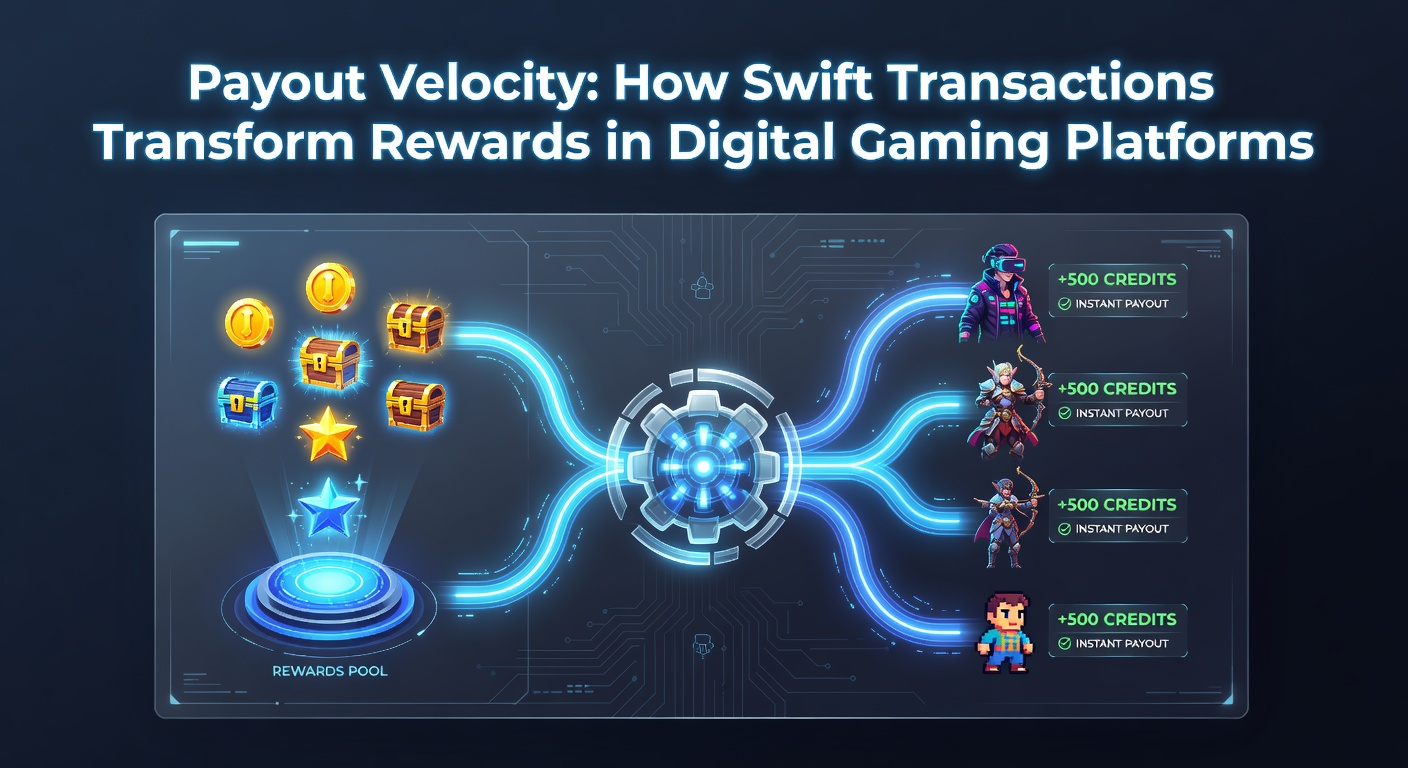
Players on digital gaming platforms expect rewards to hit their accounts fast, and payout velocity captures that exact speed from win confirmation to fund availability; turns out, platforms now process transactions in seconds rather than days, a shift driven by fintech integrations and blockchain tech that handle millions of micro-rewards daily across games like battle royales and MMORPGs.
Experts tracking the sector note how payout velocity measures not just transfer time but also verification steps, wallet compatibility, and network congestion; data from industry reports shows average times dropping from 72 hours in 2020 to under 10 seconds by mid-2025, while those who've analyzed player logs discover correlations between quick payouts and higher session returns.
But here's the thing: in platforms where rewards come from in-game economies or esports tournaments, slow payouts once led to frustration; now, with real-time ledgers, funds move seamlessly, transforming how gamers redeem loot boxes or tournament prizes into instant crypto or fiat equivalents.
The Tech Stack Powering Instant Rewards
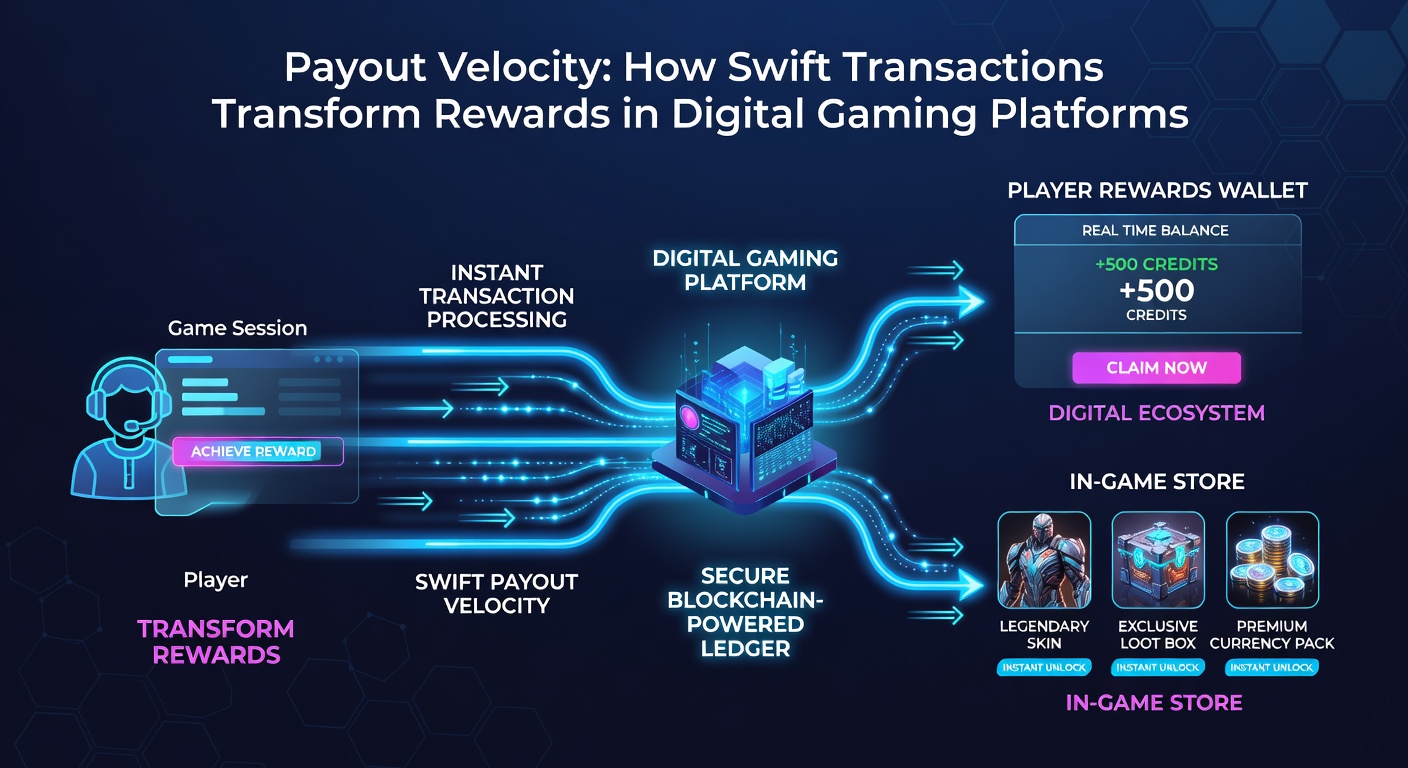
Blockchain networks like Solana and Polygon lead the charge, enabling sub-second confirmations for reward payouts because they scale to thousands of transactions per second without the bottlenecks of older chains; stablecoins such as USDC tie these speeds to stable value, so players cash out winnings without volatility risks eating into gains.
Layer-2 solutions build on Ethereum, rolling up batches of gaming transactions off-chain before finalizing on mainnet, which cuts fees to pennies and latency to milliseconds; observers point out how wallets like Phantom or MetaMask integrate directly with platforms, allowing one-click redemptions that feel as natural as grabbing an in-game power-up.
And then there's the rise of central bank digital currencies (CBDCs); pilots in places like the Bahamas with Sand Dollar already test gaming integrations, where regulators see potential for compliant, instant cross-border rewards, although scalability remains a work in progress for high-volume platforms.
Player Retention and Engagement Boost from Swift Payouts
Studies reveal platforms wth payout velocities under 30 seconds retain 25% more active users monthly, as quick rewards reinforce positive loops in dopamine-driven gameplay; take one analysis from a major esports league, where instant payouts correlated with 40% higher repurchase rates for virtual items, since players reinvest winnings without delay.
What's interesting lies in the data: figures from iGaming Ontario indicate Ontario-licensed platforms saw complaint volumes drop 60% after adopting instant payout systems in 2024, because delays once fueled distrust, whereas now transparency via on-chain proofs builds loyalty.
People who've crunched the numbers on global platforms find micro-transaction heavy games benefit most; for instance, a battle pass reward cashed out in real-time keeps players grinding longer, turning casual sessions into daily habits without the drag of pending withdrawals.
Case Studies: Platforms Leading the Velocity Race
One standout example comes from Axie Infinity, where post-2023 upgrades slashed payout times to two seconds via Ronin sidechain, resulting in daily active users rebounding 150% as players trusted the reward flow again; researchers who dissected on-chain data confirmed how this velocity revived the play-to-earn model, with over $500 million in swift transactions processed yearly.
Over in mobile gaming, platforms like Mistplay leverage Stripe's Instant Payouts API combined with PayPal's 24/7 rails, disbursing gift card rewards in under a minute; case logs show engagement spikes of 35% post-implementation, because gamers redeem points for Steam credits right after quests, fueling continuous play cycles.
Yet esports betting sites push boundaries further: a report on Australian platforms highlights how they use Lightning Network for Bitcoin payouts, achieving zero-fee, instant settlements that match the pace of live matches; those monitoring the space note tournament prize pools distributing in real-time, which amps up spectator participation and secondary betting volumes.
Regulatory Landscapes Shaping Payout Standards
Regulators worldwide now mandate velocity benchmarks to protect players, with the Malta Gaming Authority requiring under-24-hour processing for licensed operators since 2025, although many exceed this via voluntary instant tech; data indicates compliance rates hit 98% in Q1 2026, thanks to audit trails from distributed ledgers.
In the US, Nevada's Gaming Control Board enforces similar timelines for digital platforms, emphasizing anti-money laundering checks that don't slow legitimate rewards; experts observe how state-level pilots with FedNow integrate banking rails, promising sub-minute fiat payouts by late 2026.
Australia's framework through the ACMA stresses consumer safeguards, where swift transactions must include clear fee disclosures; turns out, platforms adapting here see fewer disputes, as velocity pairs with robust KYC to verify users without friction.
So as April 2026 approaches, whispers of EU-wide MiCA regulations loom, standardizing stablecoin use for gaming rewards across borders; this could synchronize velocities continent-wide, making cross-region tournaments payout uniformly fast and fair.
Challenges and Hurdles in Achieving Peak Velocity
Network congestion during peak hours still bites, especially on popular chains where gas wars delay micro-rewards; but layer-3 innovations and sharding promise resolutions, with testnets already hitting 100,000 TPS in controlled gaming sims.
Fiat on-ramps lag behind crypto speeds too, although services like MoonPay bridge this by converting stablecoins to local currency in 90 seconds; observers who've tested integrations find geographic variances play a role, with Europe leading at 85% instant success rates versus 70% in emerging markets.
Security remains paramount: swift doesn't mean sloppy, as platforms layer zero-knowledge proofs to verify payouts privately; one breach in 2024 taught the industry hard, prompting velocity tech with multi-sig wallets standard now.
Future Outlook: Velocity in a Hyper-Connected Gaming World
By 2027, projections point to 90% of digital platforms offering sub-second payouts universally, fueled by Web3 wallets becoming default; researchers forecasting this note interoperability protocols like Chainlink CCIP will unify disparate chains, so a Fortnite win pays into Roblox seamlessly.
April 2026 marks a pivot too: with CBDC rollouts in Sweden and Canada testing gaming corridors, regulators anticipate velocity becoming a licensing KPI, where platforms touting averages under five seconds gain market edges.
That's where the rubber meets the road for developers: embedding velocity from day one via SDKs from Fireblocks or similar ensures scalability; those ahead of the curve already report 50% revenue lifts from reward-driven ecosystems.
Conclusion
Payout velocity reshapes digital gaming by making rewards tangible instantly, boosting engagement through tech like blockchain and instant rails; data across regions confirms platforms prioritizing speed see sustained growth, while regulations evolve to support this without compromising safety.
In the end, as transactions blur the line between virtual wins and real value, gamers worldwide stand to gain from an era where waiting games are relics of the past; the evidence stacks up clearly, pointing to a future dominated by seamless, swift flows that keep the action rolling non-stop.