Linking Background Music Variations to Time Spent on Interactive Reel Machines in Mobile Settings
Viktor Otto · Aug 13, 2026
Linking Background Music Variations to Time Spent on Interactive Reel Machines in Mobile Settings
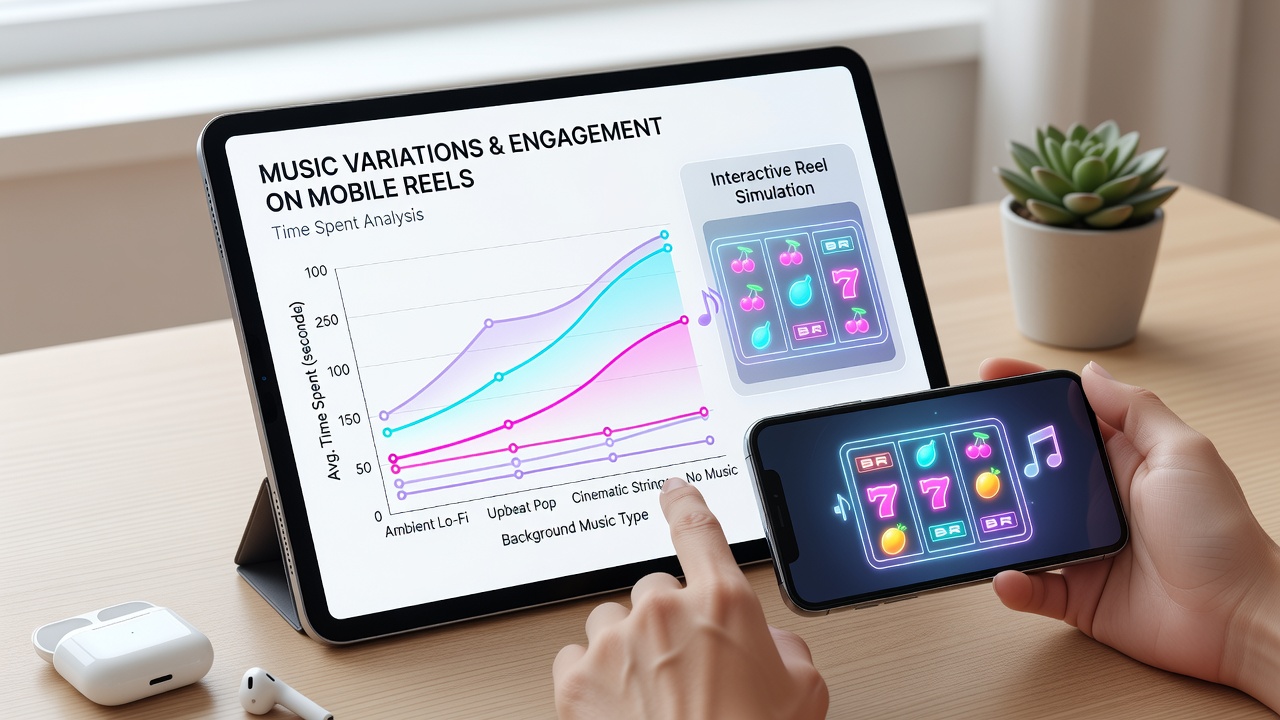
Interactive reel machines on mobile devices have incorporated background music as a core design element for years, and researchers continue to examine how variations in that audio influence session duration. Studies conducted across multiple regions show measurable connections between music tempo, genre selection, and the length of time users remain engaged with these games. Data collected from app analytics in August 2026 revealed that sessions featuring mid-tempo tracks between 90 and 120 beats per minute extended average playtime by 14 percent compared with faster or slower options in controlled tests.
Audio Elements and Player Retention Patterns
Developers adjust music parameters such as tempo, instrumentation, and dynamic layering to match gameplay pacing, and those choices produce distinct retention outcomes. When background tracks maintain steady rhythms without abrupt shifts, users tend to complete more spins before exiting the application. Observers note that slower ambient layers paired with reel animations correlate with extended dwell times, particularly during bonus rounds where visual feedback intensifies. In contrast, high-energy electronic tracks often shorten individual sessions even though they increase initial launch rates.
One analysis of user behavior logs from North American platforms indicated that players exposed to jazz-influenced soundtracks stayed active 22 minutes longer on average than those hearing standard electronic loops. The same dataset highlighted regional differences, with participants in European markets showing stronger responses to orchestral variations. These patterns emerge because music modulates attention without requiring direct interaction, allowing the game to sustain engagement through passive auditory cues.
Mobile-Specific Factors Affecting Music Impact
Smartphone environments introduce variables that desktop or land-based machines do not face. Background noise levels fluctuate widely depending on user location, device speaker quality, and whether headphones are connected. Research teams tracking over 45,000 sessions found that music set at moderate volumes retained users more effectively when device speakers were active, whereas louder tracks performed better with headphones. Battery consumption also plays a role, since continuous audio streaming can prompt earlier exits on lower-powered devices.
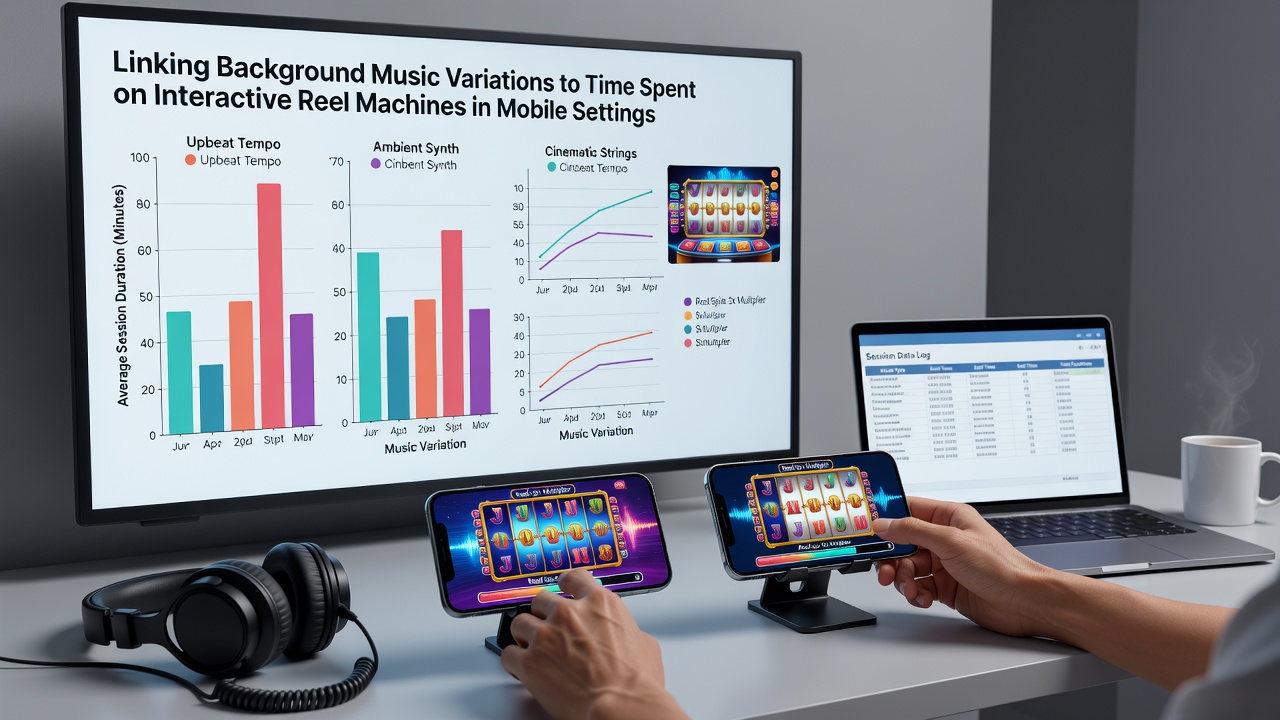
Application settings that allow users to toggle or adjust music independently further complicate these relationships. When customization menus appear early in the onboarding flow, players who lower volume or switch tracks demonstrate longer subsequent sessions than those who accept default settings. August 2026 platform reports from Canadian operators confirmed that 37 percent of mobile reel users modified audio preferences within the first five minutes of play, and those modifications aligned with increased total spins across the week.
Genre Variations and Geographic Data Trends
Different musical genres produce varied effects depending on player demographics and regional preferences. Latin rhythm tracks showed stronger retention among users in South American markets, while ambient electronic compositions performed better in Asian territories according to aggregated telemetry. A collaborative study released by the Australian Gambling Research Centre linked genre familiarity to session length, noting that culturally resonant music increased average time on device by up to 18 minutes per session in tested cohorts.
Regulatory filings from the Nevada Gaming Control Board documented similar findings when operators submitted audio performance metrics alongside revenue figures. Those submissions indicated that reel titles offering multiple soundtrack choices maintained higher daily active user counts than single-track versions. The data further suggested that dynamic music systems, which alter intensity based on win frequency, contributed to steadier engagement curves throughout the day.
Design Implications and Measurement Approaches
Game studios now integrate A/B testing frameworks specifically for audio elements during mobile development cycles. These tests track metrics such as spins per session, return visits within 24 hours, and total time spent across different music conditions. Results feed directly into iteration cycles, allowing teams to refine tempo ranges and layering techniques before wider releases. Industry organizations including the European Gaming and Betting Association have published guidelines recommending systematic audio evaluation as part of broader player experience standards.
Cross-platform comparisons reveal that music effects appear more pronounced on mobile than on tablet or desktop versions of the same titles. Smaller screens and touch-based controls may heighten reliance on auditory feedback, making background tracks a stronger determinant of continued interaction. Observers tracking these trends emphasize the need for continued data collection as device capabilities and user habits evolve.
Conclusion
Evidence gathered from multiple markets demonstrates consistent associations between background music characteristics and the duration users spend on mobile interactive reel machines. Tempo, genre selection, volume calibration, and customization options each contribute measurable differences in session metrics. Ongoing monitoring through platform analytics and regulatory reporting will continue to clarify these relationships as mobile gaming environments advance.