How Sound Design Elements Influence Deposit Timing Patterns in Mobile Reel Interactions
Elena Long · Jul 20, 2026
How Sound Design Elements Influence Deposit Timing Patterns in Mobile Reel Interactions
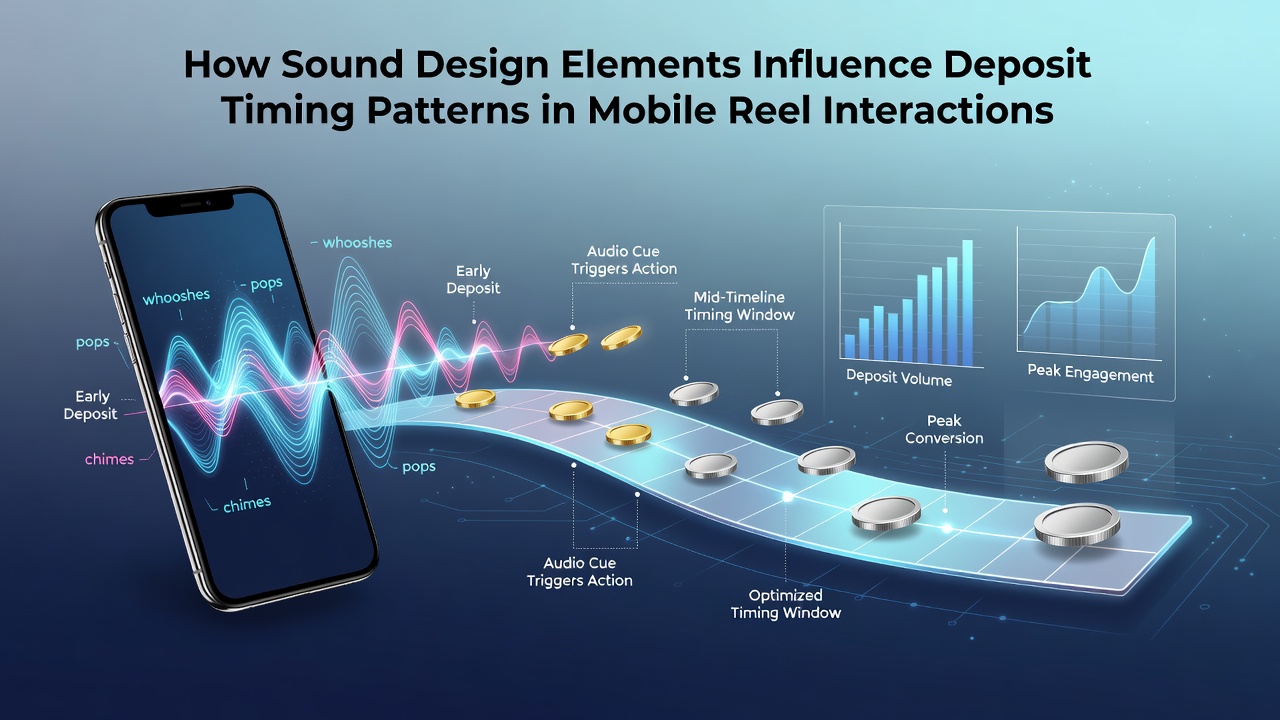
Sound design in mobile reel applications shapes how players interact with deposit functions through carefully timed audio triggers that align with spinning mechanics and outcome sequences. Researchers have tracked these interactions across multiple platforms, noting that specific audio layers prompt users to initiate funding actions at predictable intervals during extended sessions. Data collected through session logs shows clusters of deposits occurring immediately after certain sound events, such as escalating reel spin tones or layered win chimes, rather than during silent periods or basic mechanical clicks.
Audio Layers That Guide Player Behavior
Mobile reel systems incorporate distinct sound categories including continuous background loops, reactive spin effects, and post-spin feedback tones, and each category correlates with shifts in deposit activity according to aggregated analytics from platform operators. Background loops that build tension through rising pitch or added instrumentation often precede deposit prompts within thirty to ninety seconds, while abrupt reel-stop sounds paired with silence create shorter windows for funding decisions. Studies from academic gaming labs indicate these patterns hold across demographic groups, with timing data revealing that players respond to harmonic progressions in the audio track by checking account balances at consistent points in the reel cycle.
Reactive elements like accelerating whooshes during near-miss sequences further compress the interval between reel stops and deposit screens, as the audio heightens anticipation and directs attention toward in-app purchase flows. Observers note that when these effects are muted or replaced with neutral tones, deposit events spread more evenly across sessions instead of clustering after specific sonic cues.
Observed Timing Clusters in Session Data
Platform telemetry from July 2026 reveals deposit spikes aligned with particular sound milestones in reel interactions, including a measurable uptick following the activation of progressive audio builds that signal potential bonus rounds. These clusters appear most pronounced in sessions lasting beyond fifteen minutes, where repeated exposure to layered soundscapes conditions users to associate certain audio progressions with the need for additional credits. Figures from industry monitoring groups show that applications employing synchronized haptic-audio combinations experience deposit actions concentrated around the midpoint of reel animations, whereas simpler sound sets produce more dispersed activity.
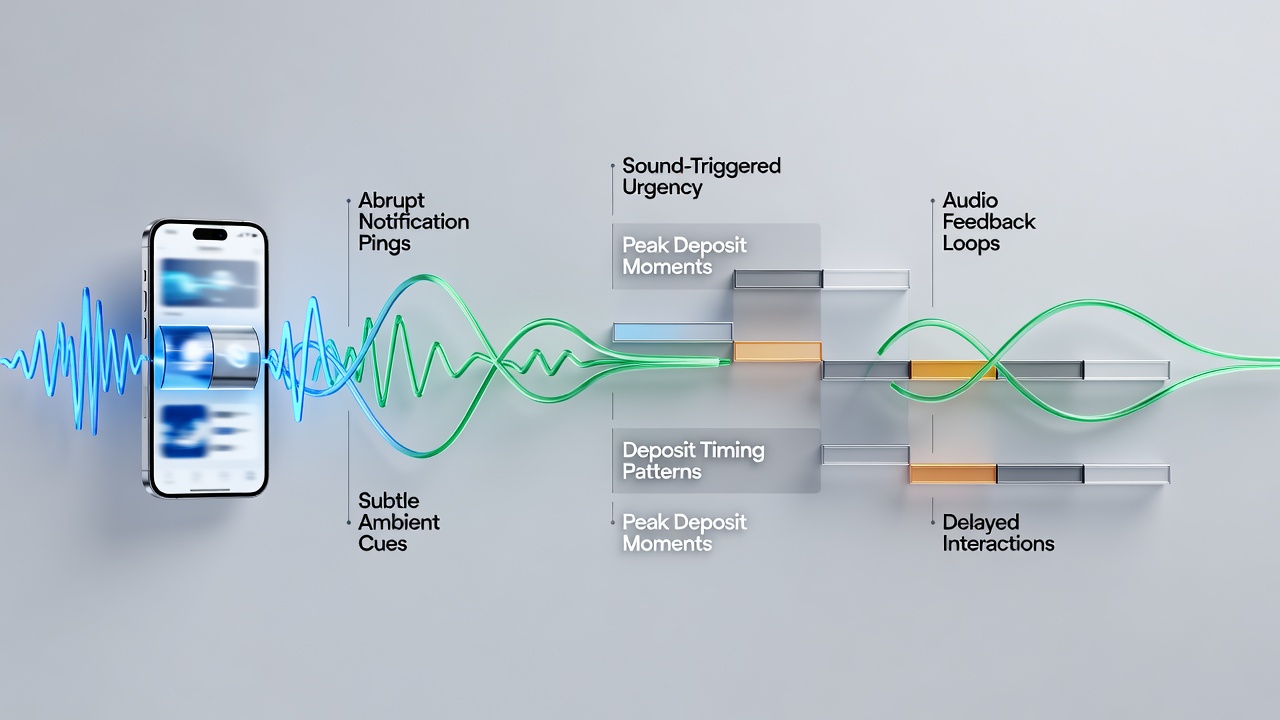
One analysis of user flow logs demonstrated that win celebration sequences exceeding two seconds in duration prompted immediate navigation to deposit menus in a higher percentage of cases compared to shorter or absent audio feedback. The same datasets indicated that abrupt cutoff of music during losing spins extended the time before users considered funding, suggesting the absence of sound acts as a natural pause point rather than an accelerator.
Integration With Reel Mechanics and Funding Prompts
Developers coordinate sound events with visual reel elements so that audio peaks coincide with moments when deposit interfaces become accessible, creating a seamless transition from gameplay to transaction screens. Research conducted by the International Gaming Institute at the University of Nevada has examined how frequency ranges in spin sounds affect decision latency, finding that mid-range tones paired with visual motion reduce hesitation before users access funding options. This coordination extends to notification chimes that play when balances drop below thresholds, linking the audio directly to the timing of deposit prompts.
Regional data from Canadian gaming regulators further illustrates that applications using adaptive soundscapes adjust deposit timing patterns based on session length and reel theme, with music intensity scaling in response to prolonged play without funding activity. Such systems demonstrate measurable differences in deposit distribution compared to static audio designs, where funding events occur at more uniform intervals throughout the session.
Cross-Platform Comparisons and Emerging Patterns
Comparisons between iOS and Android reel applications highlight variations in how operating system audio handling influences deposit timing, with Android devices showing tighter clustering around sound-triggered events due to differences in sound processing latency. Industry reports from the European Gaming Association document that titles released after mid-2025 increasingly embed deposit cues within the sound design itself, reducing reliance on separate visual notifications and shifting more funding activity to audio-aligned moments. These changes coincide with broader adoption of spatial audio features that make reel interactions feel more immersive and direct user attention toward balance-related actions at specific sonic transitions.
Additional telemetry indicates that seasonal updates incorporating new sound packs alter existing patterns, with players exhibiting faster deposit responses to unfamiliar audio cues during the first week of exposure before settling into established rhythms. This adaptation period appears consistent across multiple titles and regions, suggesting the influence of sound design on timing operates through learned associations rather than isolated events.
Conclusion
Sound design elements in mobile reel interactions establish measurable links to deposit timing through layered audio triggers, reactive effects, and synchronized mechanics that guide when users access funding functions. Session data collected through 2026 continues to map these relationships across platforms, revealing consistent clusters around specific sonic milestones while highlighting variations based on device type and audio implementation. As reel applications evolve their audio frameworks, the documented patterns provide concrete reference points for understanding how sound sequences shape the rhythm of deposit activity in portable gaming environments.