Exploring Links Between Funding Choices and Real-Time Dealer Preferences in Handheld Casino Applications
Morgan Simmons · Aug 27, 2026
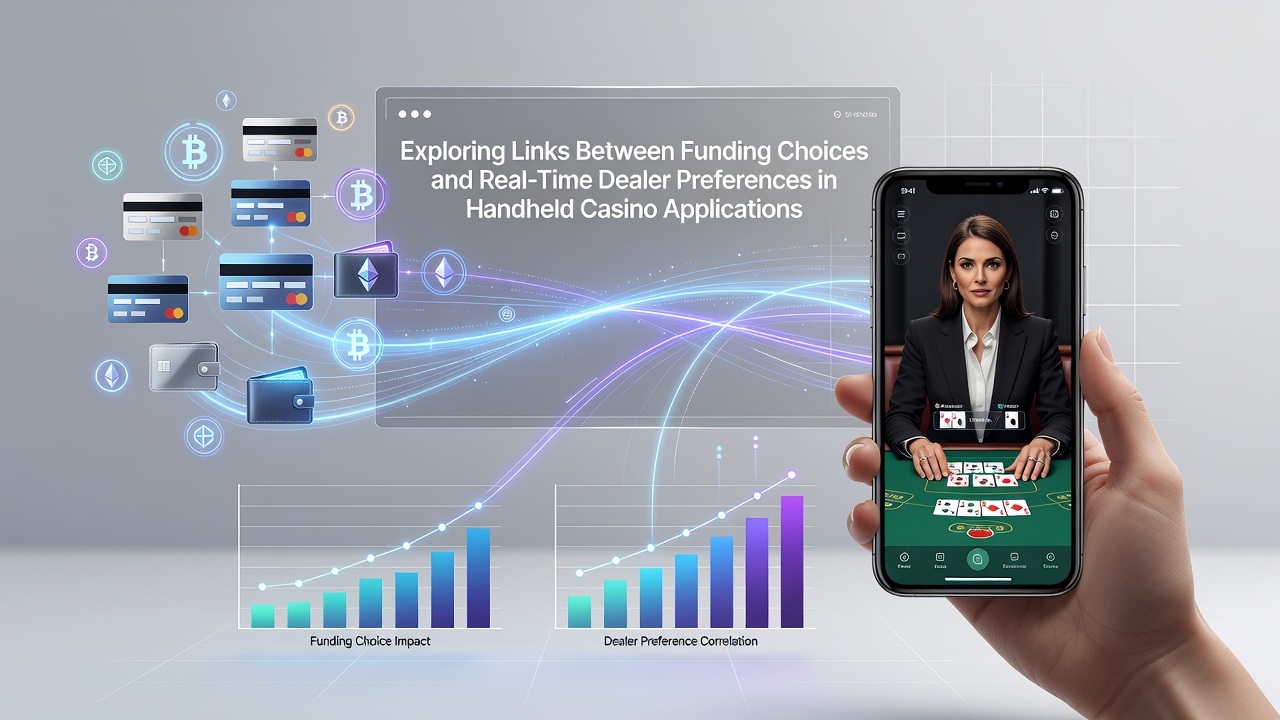
Exploring Links Between Funding Choices and Real-Time Dealer Preferences in Handheld Casino Applications
Handheld casino applications have expanded rapidly in recent years, and observers note that payment methods users select often align with their choices between live dealer tables and automated games. Data from multiple markets indicate that deposit speed, transaction fees, and wallet compatibility shape how players approach real-time interactions on mobile devices, particularly as operators refine their offerings ahead of seasonal peaks.
Payment Methods and Mobile User Patterns
Studies released in August 2026 from regulatory bodies across North America show distinct correlations between funding channels and game format selection. Credit card deposits, which typically clear instantly on approved accounts, frequently precede sessions at live dealer blackjack or roulette tables, whereas e-wallet users demonstrate higher engagement with automated slots before switching to dealer-hosted games. Researchers tracking session logs across several operators found that crypto transactions, although slower in confirmation during high-volume periods, corresponded with extended play at real-time tables once funds appeared in player balances.
Those examining transaction records across handheld platforms report that users who rely on bank transfers show lower initial conversion to live dealer options, yet they maintain longer retention once they transition. This pattern emerges because bank transfers often involve verification steps that delay access, prompting players to begin with automated titles while waiting for approval.
Regional Data on Dealer Preferences
Figures compiled by the Nevada Gaming Control Board reveal that mobile users funding accounts through digital wallets in the first half of 2026 spent 23 percent more time at live dealer tables compared with those using traditional card methods. Similar trends appear in Canadian markets tracked by iGaming Ontario, where instant payment rails supported quicker entry into real-time environments during evening hours. Observers tracking these shifts note that regional licensing rules influence which funding tools integrate most smoothly with live streaming features on handheld devices.

What's interesting is how deposit size intersects with these preferences. Larger single deposits, regardless of method, frequently precede immediate selection of high-limit live tables, while smaller, repeated deposits align more often with casual automated play followed by gradual movement toward dealer-hosted options. Data sets from operators in multiple jurisdictions confirm this sequencing occurs consistently across user demographics.
Influences on Real-Time Engagement
Technical factors also play a role. Applications that embed payment confirmation within the same interface as live dealer lobbies see faster shifts toward real-time tables when users complete deposits via methods that support push notifications. Conversely, players who encounter separate banking screens tend to sample automated games first, according to session analytics shared at industry conferences. Researchers at academic centers studying digital gaming ecosystems have documented that interface friction during funding directly affects the sequence of game selection on smaller screens.
August 2026 reports from the Australian Institute of Criminology further highlight that bonus structures tied to specific payment methods can steer preferences. Cashback offers attached to e-wallet deposits, for instance, correlate with increased live dealer participation because players seek to maximize promotional value through higher-stakes real-time rounds. These alignments appear across different handheld operating systems, suggesting the pattern stems from incentive design rather than device specifics.
Operator Adjustments and Market Responses
Operators have responded by testing integrated funding flows that reduce steps between deposit and live dealer entry. Several platforms introduced one-tap wallet connections in mid-2026, and early metrics indicate these changes increased live table starts among users who previously favored automated titles. Data indicates that seamless payment experiences compress the time between funding and real-time play, particularly during peak mobile usage windows in the evening.
Yet variations persist by jurisdiction. Markets with stricter verification requirements show slower adoption of live dealer formats following certain deposit types, while regions permitting faster onboarding demonstrate tighter links between instant funding and real-time preferences. Analysts tracking these differences emphasize that regulatory timelines around account approval remain a key variable.
Conclusion
Available evidence demonstrates measurable connections between the funding options players choose and their subsequent engagement with real-time dealers on handheld casino applications. Transaction speed, verification processes, and promotional linkages all contribute to observed patterns across markets. As operators continue refining mobile interfaces and regulators release updated compliance data, further alignments between payment infrastructure and live dealer usage will likely emerge in session records and retention metrics.