Correlations Between Regional Licensing Frameworks and Hybrid Incentive Models in Interactive Reel Ecosystems
Otto Wolf · Jun 27, 2026
Correlations Between Regional Licensing Frameworks and Hybrid Incentive Models in Interactive Reel Ecosystems
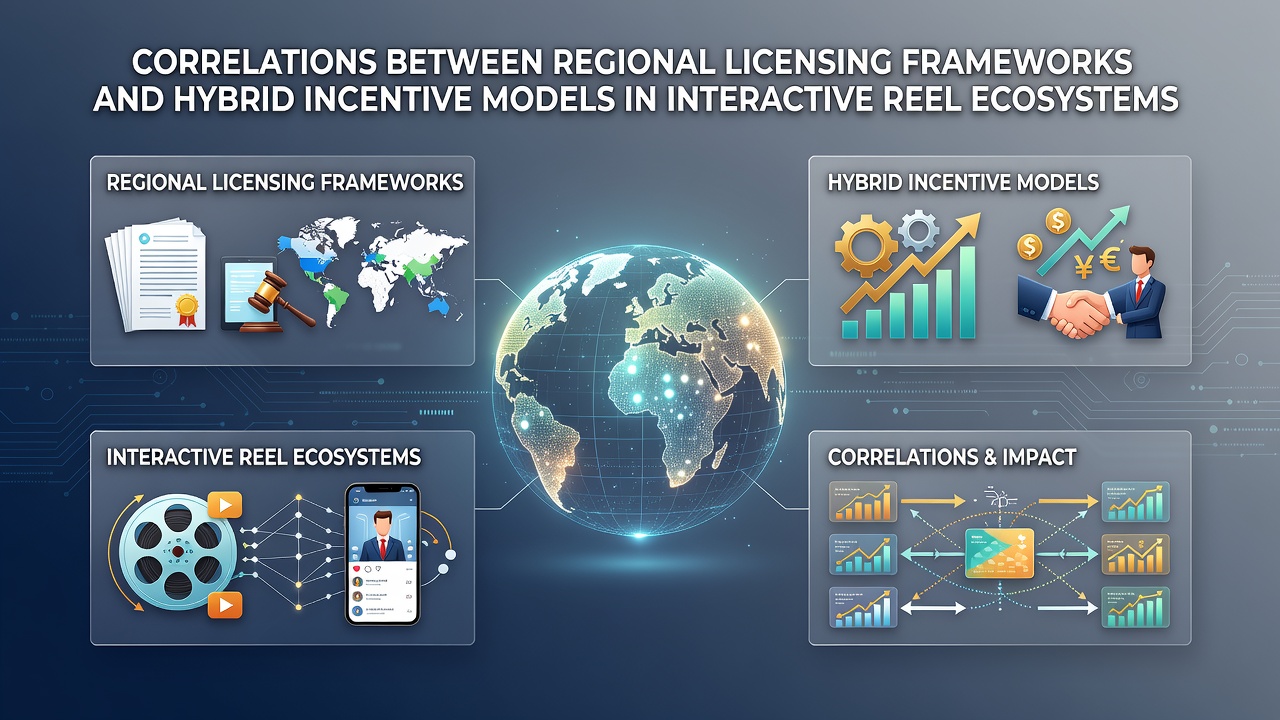
Regional licensing frameworks shape how operators structure hybrid incentive models in interactive reel ecosystems, where slot-based platforms combine deposit matches, free spin allocations, and loyalty multipliers into single reward packages. Data from multiple jurisdictions shows direct links between regulatory requirements and the design of these layered promotions, particularly in markets where licensing bodies enforce strict player protection standards alongside revenue reporting obligations. In June 2026 several European and North American regulators released updated compliance guidelines that further tied incentive approval processes to audited payout percentages and responsible gaming thresholds.
Licensing Structures Across Key Markets
Operators in tightly regulated zones such as Malta and New Jersey must submit detailed incentive blueprints before launching any hybrid promotion, which forces them to separate bonus funds from real-money balances in player accounts. Those who've examined license applications note that these jurisdictions require clear documentation of wagering requirements, contribution percentages from different game types, and maximum win caps tied to bonus value. In contrast, frameworks in parts of Asia and Latin America allow greater flexibility in how operators blend incentives, provided overall return-to-player figures remain within published ranges. Research indicates that the level of pre-approval scrutiny correlates strongly with the complexity of incentive layering permitted on interactive reel platforms.
Hybrid Incentive Components in Practice
Hybrid models typically merge an initial deposit match with reel-specific free spins and a tiered cashback schedule that activates after set loss thresholds. Figures reveal that operators under stricter licensing regimes tend to cap the free spin portion at lower values while extending wagering requirements across a broader selection of titles to meet compliance metrics. Those monitoring platform data observe that jurisdictions with centralized reporting systems see more standardized contribution rates assigned to progressive jackpot slots versus classic reel games. This standardization reduces the ability to weight incentives toward high-volatility titles without triggering additional audits.
Documented Correlations in Recent Analyses
Studies compiled by academic research groups and industry monitoring bodies demonstrate measurable patterns between license stringency and incentive composition. One analysis from the University of Nevada, Las Vegas examined reel ecosystems operating under different North American licenses and found that operators facing quarterly compliance reviews adjusted hybrid models to include smaller but more frequent loyalty rewards rather than large upfront bonuses. Data shows these adjustments help maintain required player activity reports while staying within marketing expenditure caps set by regulators. Observers note similar shifts in Canadian provincial markets where licensing boards link incentive approval to independent testing of random number generators and bonus trigger algorithms.

What's interesting is how these correlations appear when comparing markets with and without mandatory loss-limit tools. Regions requiring built-in session reminders often see hybrid incentives that incorporate time-based multipliers instead of pure monetary matches, because such structures align more easily with responsible gaming mandates. A report issued by the Canadian Gaming Association tracked changes following 2025 framework updates and documented a 17 percent reduction in deposit-match percentages paired with expanded free spin allocations on low-volatility reel titles. Parallel findings emerged in Australian state licensing reviews where operators shifted toward cashback-heavy hybrids to satisfy new transparency rules around bonus conversion rates.
Technical Integration and Compliance Overlaps
Interactive reel platforms must integrate licensing-mandated tracking systems directly into bonus engines, which affects how hybrid rewards calculate contribution across different game categories. Operators report that real-time reporting APIs required in several U.S. states force incentive models to exclude certain high-volatility mechanics from bonus playthrough unless separate approval is obtained. Those examining backend configurations find that markets without such API mandates retain more flexibility to weight reel themes differently within the same promotion. Evidence suggests these technical constraints create measurable differences in average session length and bonus redemption patterns across regions.
Geographic Variations in Implementation
European Economic Area licenses frequently require that any hybrid incentive disclose the exact reel titles eligible for bonus play, leading operators to maintain separate incentive pools for classic three-reel games versus five-reel video slots. In several Asian jurisdictions the emphasis lies more on aggregate revenue share calculations, allowing operators to rotate eligible titles more freely within a single promotion. Data collected through 2026 indicates that these differences produce distinct clustering patterns when analysts map incentive structures against license type. Operators in less prescriptive environments experiment with time-limited multipliers tied to specific reel volatility levels, while those under tighter frameworks standardize reward structures across broader game libraries to streamline compliance.
Conclusion
The relationships between regional licensing frameworks and hybrid incentive models continue to evolve as regulators introduce new reporting standards and operators refine platform architectures to meet them. Available data demonstrates consistent correlations across multiple markets, with stricter licensing environments producing more uniform, lower-variance reward structures while flexible jurisdictions permit greater experimentation in how deposit matches, free spins, and loyalty elements combine. Continued monitoring of these patterns will depend on access to standardized datasets from diverse regulatory bodies and academic institutions tracking interactive reel ecosystems worldwide.