Charting User Retention Curves Across Varied Funding Channels in Portable Entertainment Ecosystems
Mara Wagner · May 23, 2026
Charting User Retention Curves Across Varied Funding Channels in Portable Entertainment Ecosystems
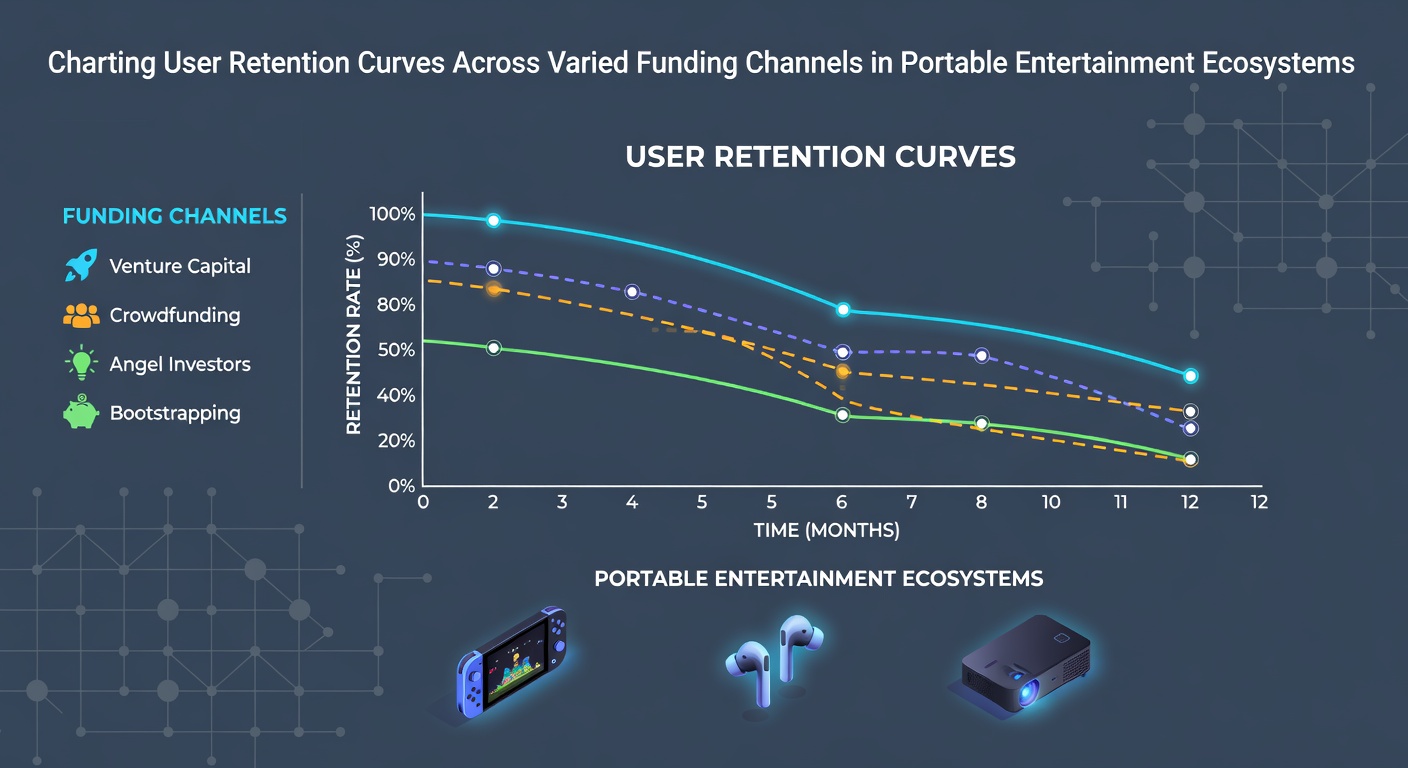
Portable entertainment ecosystems encompass mobile applications for gaming, streaming, and interactive content that users access through smartphones and tablets, and retention curves track how long individuals continue engaging with these services over time. Analysts measure these patterns by monitoring active user rates at intervals such as day one, day seven, and day thirty after initial download, while funding channels determine the revenue mechanisms that support the platforms including direct purchases, recurring subscriptions, and advertisement integration. Data collected from app analytics platforms shows distinct trajectories depending on the primary monetization approach, with variations appearing across different geographic markets and device types.
Defining Key Metrics in Retention Analysis
Retention curves plot the percentage of users who return to an application on successive days, and researchers calculate these figures by dividing returning users by the total cohort size at onboarding. Studies from the Mobile Marketing Association indicate that subscription-based models often sustain higher long-term engagement because automatic renewals reduce friction in continued access, whereas one-time purchase channels show steeper initial drops followed by plateaus among dedicated users. Ad-supported ecosystems rely on consistent session frequency to maintain revenue, which influences how developers adjust content updates and notification strategies to encourage repeat visits.
Observers note that funding channel selection interacts with user demographics, since younger audiences in urban centers tend toward freemium structures that blend free access with optional purchases, while older cohorts in suburban areas demonstrate stronger loyalty when upfront payments unlock full features without interruptions. In May 2026, reports from regional app marketplaces highlighted that cross-device synchronization features boosted retention by 12 percent in subscription ecosystems compared to standalone mobile versions.
Comparative Patterns Across Funding Mechanisms
Subscription channels produce retention curves with gradual declines after the first week because billing cycles align with content refresh schedules, and data from the Australian Bureau of Statistics on digital entertainment consumption reveals that 68 percent of users in this category maintained activity beyond sixty days during the first quarter of 2026. In contrast, in-app purchase models generate sharp early attrition as users exhaust initial credits or complete core content loops, yet those who make repeat transactions exhibit prolonged engagement that rivals subscription metrics. Ad-funded applications display the most variable curves, with spikes occurring around promotional events and dips during periods of ad fatigue, although targeted personalization has narrowed these fluctuations according to industry tracking services.
Funding channel performance also varies by region, and Canadian digital economy surveys document higher retention in hybrid models that combine advertisements with optional purchases, reaching 45 percent at the thirty-day mark compared to 31 percent for pure ad-supported titles. European Union digital market reports similarly track how regulatory changes around data privacy affect user continuity in entertainment apps, prompting developers to refine consent flows that indirectly support sustained participation across payment types.
Regional Data and Market Influences
North American markets show pronounced differences where direct carrier billing as a funding option increases day-seven retention by reducing payment friction for younger users, and figures from the U.S. Census Bureau's digital services tracking confirm this channel accounts for 22 percent of entertainment app transactions in 2026. Asian markets emphasize social integration within apps, where funding through virtual currencies tied to community features extends curve longevity, with developers reporting that integrated leaderboards and shared progress metrics correlate with 18 percent higher month-one retention.
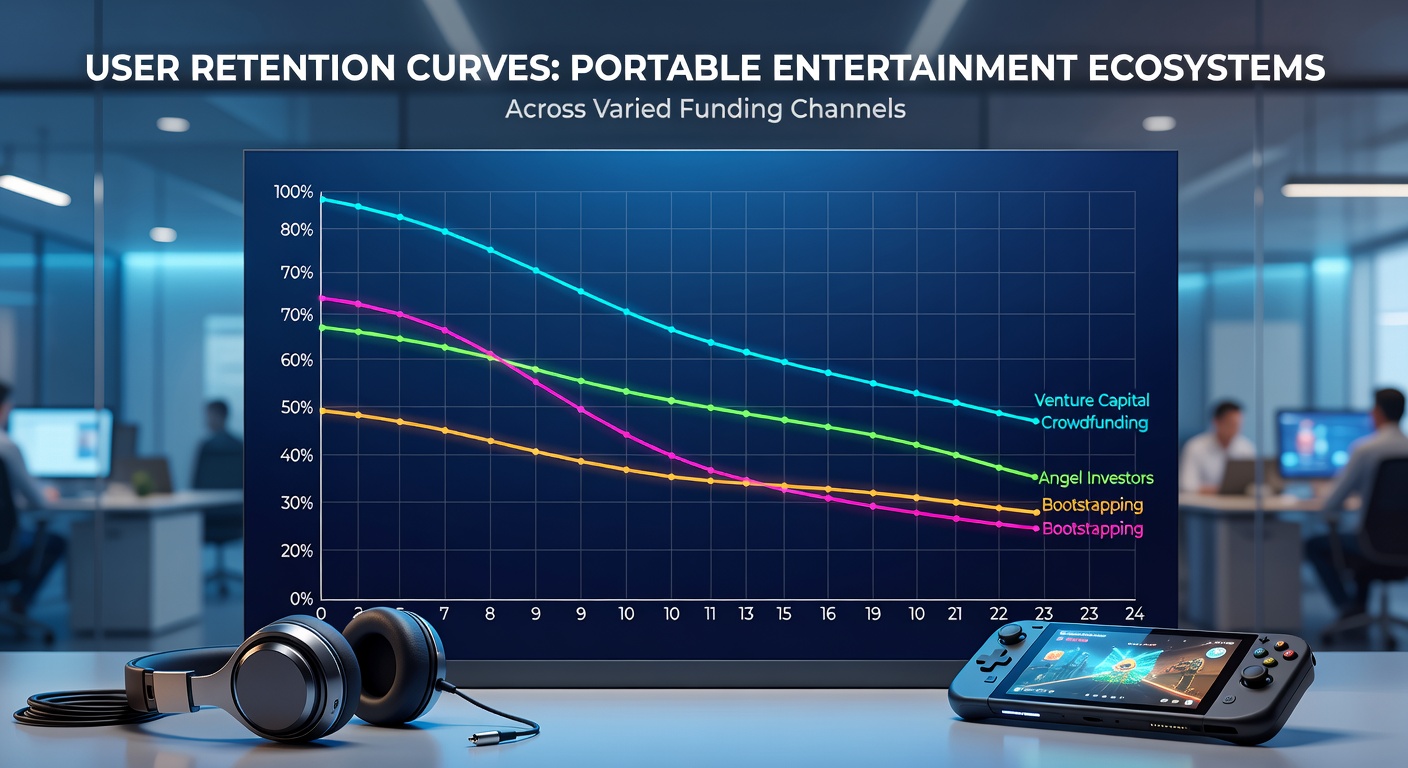
Developers adjust acquisition campaigns based on these patterns, allocating budgets toward channels that historically deliver cohorts with flatter retention slopes, and case examples from mid-sized studios illustrate how A/B testing of onboarding sequences tied to specific funding options refined user lifetime value calculations. What's interesting is how seasonal content drops in May 2026 aligned with improved retention across all channels when paired with limited-time offers that matched the dominant payment preference in each market.
Technical Factors Shaping Curve Trajectories
App architecture decisions such as offline functionality and background refresh capabilities influence retention independently of funding models, yet they amplify outcomes when synchronized with billing events, for instance by prompting subscription upgrades during high-engagement periods. Network latency in emerging markets compresses early retention regardless of channel, prompting optimization efforts that include lighter data packages for ad-loaded experiences and streamlined checkout for purchase-based access. Researchers at academic institutions in Australia have documented that these technical enhancements produce measurable lifts, with one analysis showing a 9 percent extension in average session length when payment interfaces load within two seconds.
Integration between portable devices and wearable accessories further extends engagement windows, as push notifications routed through connected hardware remind users of available content or pending renewals, and this connectivity proves especially effective in subscription ecosystems where continuity matters most. Observers tracking ecosystem health note that diversified funding portfolios help stabilize overall retention metrics by offsetting weaknesses in any single channel during economic shifts or platform policy updates.
Conclusion
Retention curve analysis across funding channels in portable entertainment ecosystems provides developers and platform operators with actionable benchmarks for resource allocation and feature prioritization. Patterns observed through 2026 underscore the interplay between monetization design, regional user behaviors, and technical execution in determining long-term participation rates. Continued monitoring of these metrics supports refinements that align service delivery with evolving payment preferences across global markets.