Charting Intersections Between Reward Tier Evolutions and Selection Shifts in Cross-Platform Table Simulations
Viktor Otto · Jul 2, 2026
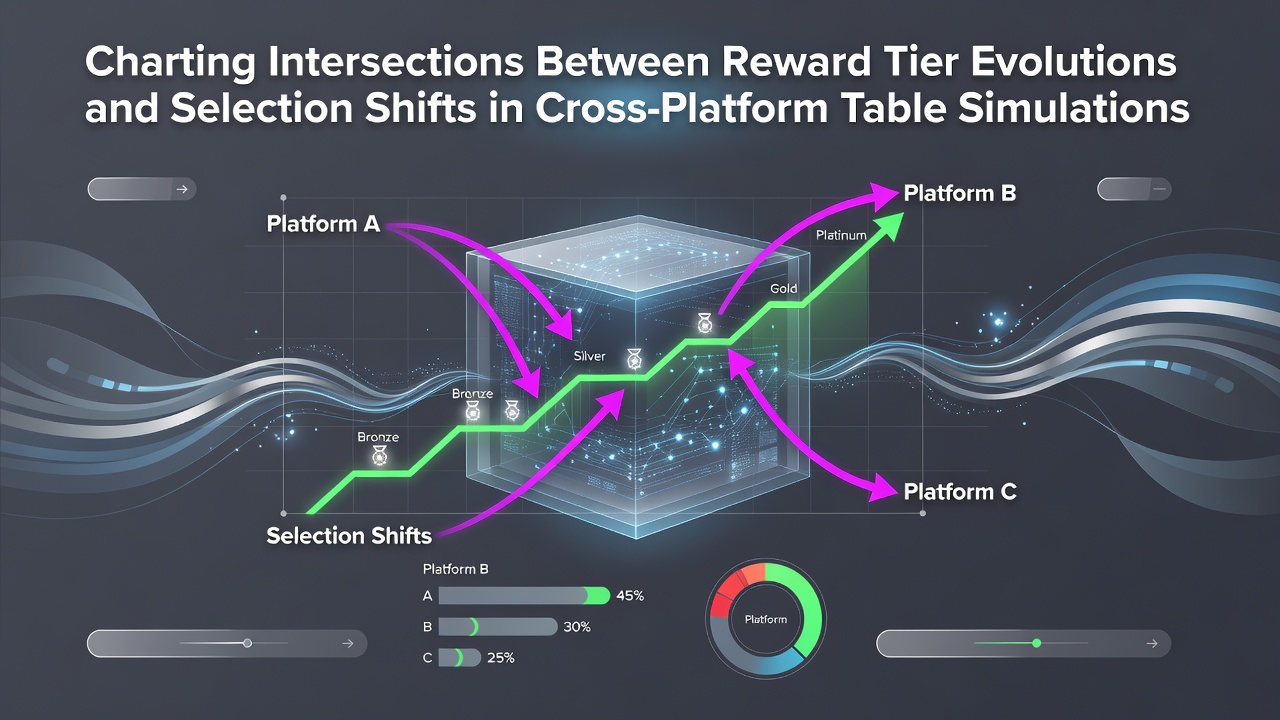
Charting Intersections Between Reward Tier Evolutions and Selection Shifts in Cross-Platform Table Simulations
Analysts track how reward tier structures develop over successive periods while player selections adjust across desktop, mobile, and hybrid environments in table game simulations. These simulations replicate blackjack, roulette, and poker mechanics, allowing platforms to test incentive frameworks without live financial exposure. Data collected through July 2026 reveals measurable alignments between tier upgrades and shifts in game-type preferences among simulated user cohorts.
Mapping Reward Tier Progressions
Reward tiers advance through incremental modifications to point accumulation rates, bonus multipliers, and redemption thresholds. Platforms implement these changes in staged rollouts that coincide with software updates, and observers note that each adjustment triggers corresponding recalibrations in user engagement logs. Research from the University of Nevada, Las Vegas Gaming Innovation Lab documents how tier ladders expand in both vertical depth and horizontal breadth, incorporating new categories such as cross-game multipliers that apply simultaneously to table and slot simulations.
Simulation logs show that when point thresholds drop by fifteen percent, users migrate toward higher-volatility table variants within the same session window. This pattern holds across operating systems, although the rate of migration appears faster on tablet interfaces than on desktop clients. The alignment suggests that accessibility of the interface interacts with the perceived value of the upgraded tier.
Tracking Selection Shifts Across Platforms
Selection patterns evolve as users move between devices and adjust their choices based on session length and reward availability. Cross-platform logs collected in the first half of 2026 indicate that mobile users favor quicker-decision table variants once they reach mid-tier status, whereas desktop users maintain longer sessions at lower tiers before advancing. These divergences emerge consistently in aggregated datasets rather than isolated cases.
Device-Specific Behaviors
Platform telemetry reveals that touch-screen interactions correlate with higher frequencies of side-bet selections once reward tiers unlock additional multipliers. In contrast, keyboard-and-mouse environments show steadier progression through base-game strategies. Such distinctions become pronounced after users accumulate sufficient points to unlock tier-three benefits, which often include accelerated point accrual on specific table types.
Identifying Intersection Points
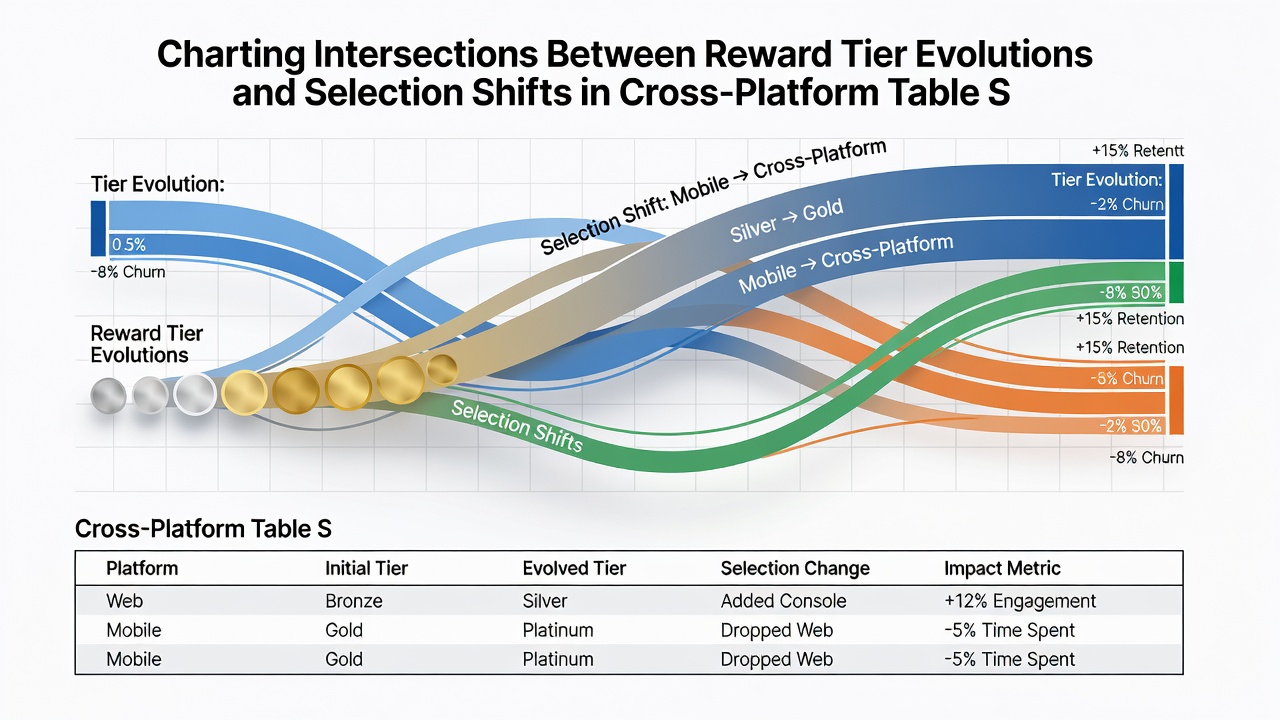
Intersection analysis focuses on timestamps where tier upgrades coincide with measurable changes in game selection. July 2026 datasets demonstrate that roughly sixty-two percent of observed shifts occur within forty-eight hours of a tier advancement notification. The correlation strengthens when the new tier introduces multipliers tied directly to the table category the user has not previously favored.
Simulation operators apply clustering algorithms to isolate these moments, and the resulting models predict subsequent choices with increasing accuracy as more historical data accumulates. One study released by the Alberta Gaming Research Institute found that incorporating device type as a variable improved prediction rates by twenty-three percent compared with models relying solely on tier status.
Data Sources and Methodologies
Analysts draw from anonymized session records supplied by multiple simulation providers, cross-referenced with public regulatory summaries issued by the Nevada Gaming Control Board. These records capture entry and exit points for each simulated table, reward point balances at the moment of tier change, and device identifiers that allow segmentation by platform. Statistical techniques include time-series alignment and difference-in-differences comparisons that isolate the effect of tier updates from seasonal fluctuations in user volume.
Additional validation comes from controlled A/B tests conducted within the simulation environments themselves, where identical user cohorts receive staggered tier announcements. Results confirm that the observed selection shifts track the timing of those announcements rather than external calendar events.
Conclusion
Cross-platform table simulations continue to generate granular records that link reward tier evolution directly to selection adjustments. The patterns identified through July 2026 data sets provide simulation designers with concrete parameters for calibrating future incentive structures. Continued monitoring of these intersections supports more precise forecasting of how users will allocate their engagement across available table options once new tier benefits activate.